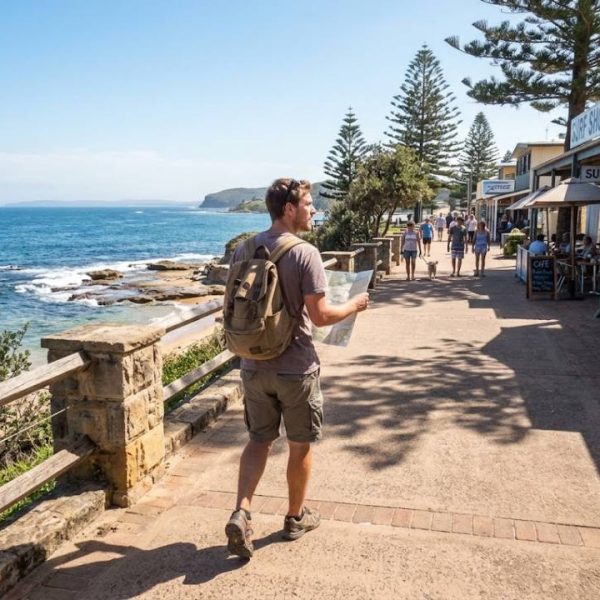
Slow Travel in Australia and Asia, Why Small Towns Win
- September 11, 2024· Article by Maria Jones
- Travel , slow travel
Many trips follow the same pattern: a long list of sights, a tight schedule and a feeling of exhaustion at the end. Slow travel offers another approach. Instead of rushing, you stay longer in fewer places, walk more, eat local food and meet people who live there. This guide looks at slow travel in Australia and parts of Asia, and at the Cittaslow movement that inspired it.
What slow travel means
Slow travel is not about going less far. It is about going deeper. You choose fewer destinations, spend more days in each and travel by train, bus, bicycle or on foot whenever you can.
The benefits are practical. Prices are often lower outside big tourist centers, crowds are smaller and you notice details that fast itineraries miss.
The best trips are measured in conversations and meals, not in the number of landmarks ticked off.
The Cittaslow idea
Cittaslow began in Italy in 1999 as a network of towns committed to a calmer quality of life. Member towns promote local products, protect heritage, limit noise and traffic and welcome visitors in a relaxed way. The idea has spread to many countries, including Australia, New Zealand and parts of Asia.
The movement's official site, Cittaslow International, explains the philosophy and lists member towns around the world.
Small towns in Australia
Outside the big cities, Australia has welcoming regional towns with markets, bakeries, galleries and walking trails. Coastal communities offer cafes on the water, while inland towns provide wine regions, farm stays and historic main streets.
Plan around local markets, which are usually weekly. They are a good place to try seasonal produce, speak to growers and pick up gifts that are made nearby.
Slow travel in Asia
Asia also rewards unhurried visits. In many countries, small cities and villages keep traditions of crafts, tea, rice farming or festivals. Taking a local train, sleeping in a family guesthouse or joining a cooking class makes the journey richer than a quick stop between two big cities.
Allow time for rest days. Heat, humidity and long distances can be tiring, and a slower pace keeps you healthy.
Eat local, shop local
Food is the easiest way into a place. Ask what is in season, look for family-run restaurants and choose dishes you cannot find at home. Buying from local producers keeps money in the community and often tastes better.
Getting around gently
Rail passes, regional buses and bicycle rentals suit slow travel well. In Australia, distances are large, so combine one or two longer transfers with several days in the same area. In Asia, overnight trains and ferries can turn the journey itself into an experience.
Paperwork for longer stays
Slow travelers often stay for weeks or months, which means more paperwork: visas, work holiday permits, rental contracts and health insurance. Offices may ask for documents in another language, and official certified translations help travelers present birth certificates, diplomas or police checks in a format that authorities accept.
Small businesses in tourism also benefit from speaking guests' languages. This article explains why consumers buy in their native language, which applies to guesthouses and tour operators too.
Respect the place
Slow travel is also responsible travel. Follow local rules, ask before photographing people, keep noise low and take your waste with you. Choose guides and accommodations that treat staff fairly and protect nature.
Planning a flexible itinerary
Pick a region, book the first and last nights and leave the middle open. Read local news, ask hosts for tips and adjust to the weather. Flexibility is the real luxury.
Keep a small notebook or photo diary. Looking back, it is often the quiet moments, such as a sunrise walk or a long lunch, that stay with you.
Who slow travel suits
Families, solo travelers, retirees and remote workers all enjoy the format. Remote workers in particular find that a small town with good internet and a friendly cafe makes a productive and inexpensive base.
Safety and health on longer journeys
Staying longer does not remove the basics. Keep copies of passports and insurance, learn the local emergency numbers and check vaccination and health guidance before you leave. In hot regions, drink plenty of water, wear sun protection and respect local advice about swimming and wildlife. Travel insurance that covers longer stays is worth comparing carefully.
Budget tips for slow travelers
Longer stays often earn weekly or monthly discounts on rooms. Cooking in a shared kitchen, using local transport passes and visiting free events such as markets and festivals keep daily costs low. Track spending in a simple notebook so surprises stay small.
Start small
You do not need a long vacation to try it. Choose a town near your home, stay for a weekend, skip the checklist and walk without a plan. The habits you form there will travel with you.